In 2016 the Great North Run had truly arrived as an event of global sports significance. It was already not only Britain’s biggest mass participation event, but also the world’s biggest half marathon with 57,000 successful applicants. An event that facilitated millions of pounds being raised for charity, at the elite end of the field headlines had been made in recent years by global heavyweights (though light in stature) Haile Gebrselassie, Mo Farah and Kenenisa Bekele taking on each other in the race to South Shields.
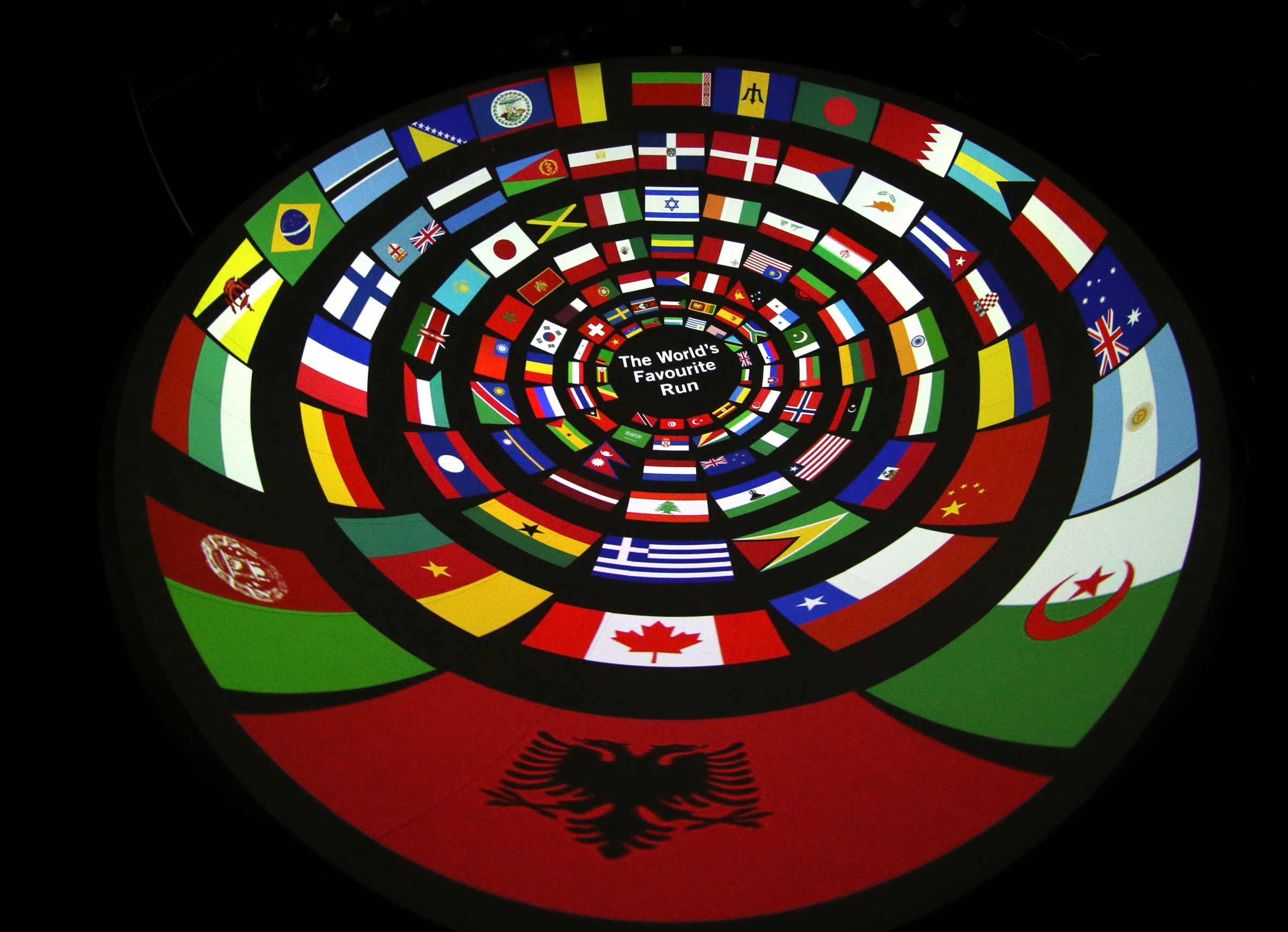
To reinforce the global stature of the event, I presented an idea that was to catch the imagination of all involved and provide me with an excellent geography lesson. The mission? To have more nations represented in a single mass participation event than ever before. With 193 UN recognised nations, it was a huge challenge but one which gathered momentum as the recruitment process started, the criteria being that the individual had to have been born in the country they represented.
With strong media interest and support throughout, the recruitment campaign gained traction and was to become a central theme of the live four-hour BBC broadcast on the day of the event. The result? An incredible 178 nations were represented at the Great North Run, comfortably beating the previous record and leading to coverage from Palau to Portugal and New Zealand to Nigeria.
The world’s biggest half marathon became the world’s favourite run.
The impact of the initiative reached far and wide, with the then United Nations Secretary General Ban Ki-moon describing the half marathon as a ‘‘true celebration of humanity, commitment and personal achievement’’ and a “truly global celebration.”
And in the following year, in part buoyed by the impact of the coverage nationally and internationally, there were a record number of applications for the Great North Run.